Gaming Account Security in India: 2FA, OTP, and Recovery Checklist
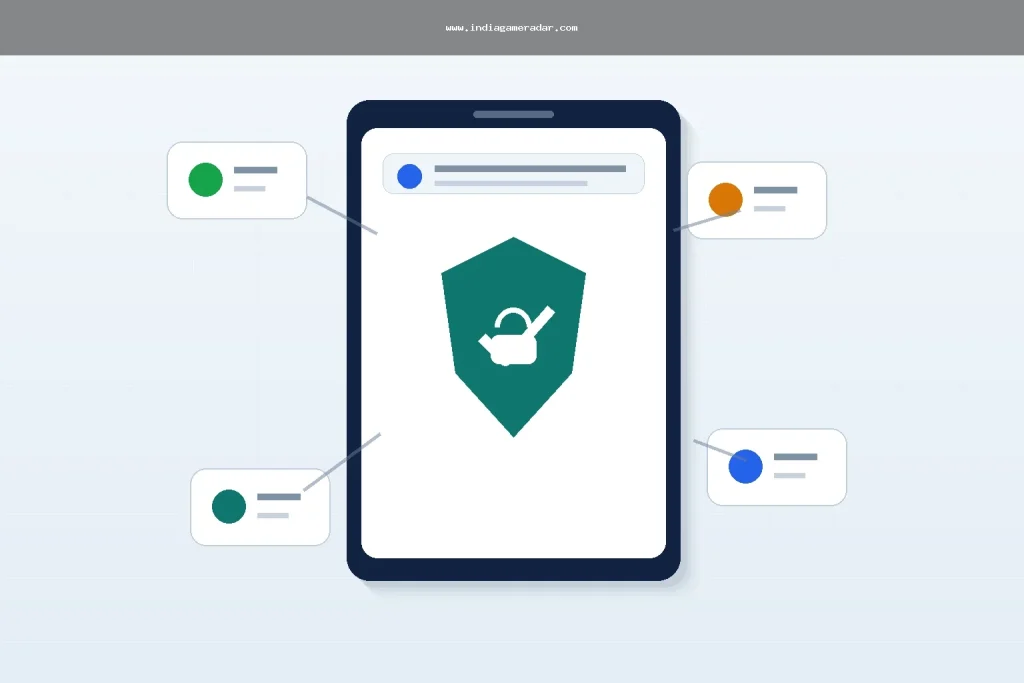
A gaming account can be more than a username. It may hold saved progress, paid items, tournament history, store receipts, social logins, and in some cases wallet or withdrawal records. For Indian players, the safest approach is to treat the gaming account, the linked email, and the linked mobile number as one security chain.
This checklist is for players who want to reduce account-takeover risk before a problem happens. It is not legal advice, recovery support, or a promise that a platform will restore an account. India Game Radar does not process deposits, withdrawals, support tickets, account appeals, or cybercrime reports. Use the official app, platform, store, and government channels for account actions.
Quick Account Security Checklist
- Turn on two-factor authentication, 2-Step Verification, or the strongest sign-in option available for the gaming account and linked email.
- Use a unique password for every gaming, store, email, and social-login account.
- Do not share OTPs, backup codes, recovery links, screenshots of account settings, or identity documents in chats.
- Review connected devices, social-login bindings, payment methods, and recovery email or mobile numbers after any suspicious activity.
- Keep receipts, support ticket IDs, device screenshots, and payment references in one folder if you need to contact support.
If you are mainly trying to spot fake support accounts or phishing messages, also read our fake gaming app scams checklist. If the platform has already locked, banned, or suspended the account, use this article together with the gaming account ban appeal checklist.
Protect The Email And Social Login First
Many gaming accounts are reached through Google, Apple, Facebook, Steam, EA, or another platform login. If that parent account is weak, the game account remains exposed even when the game password looks strong. Start with the email or social account that receives password resets, OTPs, support messages, and purchase receipts.
Google’s authentication guidance explains safer sign-in methods, including 2-Step Verification, for accounts used across apps and services. For a player, that means the gaming login should not be the only account protected. The linked email, mobile recovery path, and store account need the same attention. See the routed source at Google Safety Center authentication.
Use a password manager or another secure method to keep each password unique. Avoid passwords based on your game name, phone number, team name, birth date, city, or social profile. If an old password was reused on another site, treat it as exposed and change it before an attacker tries it on a gaming platform.

Set Up 2FA Without Losing Recovery Access
Two-factor authentication is useful only if the recovery setup is also controlled by you. Before turning it on, update the recovery email and mobile number, remove old devices, and save backup codes in a private place. Do not store backup codes in a public notes app, shared chat, gaming clan group, or screenshot folder that syncs to a compromised account.
For game platforms that offer their own account-security hub, follow the platform’s instructions instead of advice from Telegram groups, APK pages, or “recovery experts.” EA’s account security hub, for example, lists official help for 2FA, security codes, phishing, fraud charges, unusual account activity, account updates, and privacy settings. Use the routed source at EA Account security as an example of how a platform separates account-security topics from ban appeals and player reports.
When a gaming service supports passkeys, authenticator apps, recovery codes, or trusted devices, prefer the option that you can manage reliably. A setup that locks you out every time you change phones is not practical. Keep a written recovery plan: which email is linked, which phone number receives codes, where backup codes are stored, and which official support URL should be used if access is lost.
Check Devices, Sessions, And App Permissions
After suspicious activity, do not only change the game password. Review active sessions, authorized devices, connected social accounts, third-party extensions, and payment methods. If the game is tied to an email account, secure the email account first so the attacker cannot keep resetting the game password.
Steam’s account-security recommendations support this wider approach: review devices, change passwords, secure the related email, scan for malware, and check for malicious apps or extensions. The point is simple: account security is rarely limited to the game app itself. A browser extension, old phone, weak email password, or shared device can become the entry point.
For app-level privacy and permissions, compare this checklist with our gaming app data safety guide. Account security and data safety overlap, but they are not the same. Data safety asks what the app collects and shares. Account security asks who can log in, reset, bind, unlink, purchase, chat, or transfer value through the account.
Keep Evidence Before You Contact Support
If an account appears compromised, build a timeline before opening multiple tickets. Record the first suspicious login, password reset email, OTP message, payment attempt, changed phone number, device change, inventory loss, chat from a fake support account, or lockout notice. Save screenshots with visible dates where possible, but do not publicly post personal data, OTPs, identity documents, or payment details.
- Account username, player ID, and registered email or phone, shared only through official support channels.
- Store order IDs, UTRs, receipt numbers, subscription IDs, or invoice emails if money is involved.
- Support ticket numbers and replies from the official platform.
- Names, URLs, phone numbers, UPI IDs, or social handles used by suspected impersonators.
- Steps already taken, such as password change, 2FA reset, device sign-out, or bank/app-store contact.

When To Use Cybercrime Or Consumer Routes
Use the platform’s official support for login recovery, account binding, 2FA resets, inventory issues, or app-specific account decisions. Use payment-provider, bank, app-store, or consumer routes when the dispute is about a payment, subscription, refund, or service complaint. Use official cybercrime reporting routes when there is suspected fraud, impersonation, account takeover, financial loss, or misuse of personal identifiers.
The Indian Cybercrime Coordination Centre and the National Cyber Crime Reporting Portal are official government routes for cybercrime reporting. The public I4C search result points citizens to reporting through 1930 and cybercrime.gov.in. Use the routed source at National Cyber Crime Reporting Portal for the official portal, but remember that reporting is not a guarantee of recovery or refund.
Do not pay a stranger who claims they can unlock an account, reverse a ban, or recover a wallet faster than the official channel. Recovery scams often ask for OTPs, remote-access apps, screenshots, or a “verification fee.” If someone asks for your OTP or backup code, treat that as a red flag even if the message uses the logo of a well-known game.
A Practical Weekly Routine
Set a recurring account check for the games and stores that matter most to you. It does not need to be complicated. Review active sessions, check payment methods, confirm that recovery email and phone are current, update the app from official stores, and look for new privacy or sign-in settings. For accounts used by children or shared family devices, add store-level parental controls and avoid saving payment methods where possible.
The goal is to reduce easy entry points, preserve evidence, and know which official route to use when something goes wrong. A player with unique passwords, protected email, 2FA, clean devices, and organized receipts is in a stronger position than someone trying to rebuild the issue after messages and order IDs are gone.
No. 2FA helps, but players should also secure the linked email, recovery phone, store account, devices, passwords, and support-channel evidence. It reduces risk but does not guarantee recovery or prevent every takeover.
Secure the linked email or social login, change passwords, sign out unknown devices where possible, collect dated evidence, and contact the platform through its official support page. If fraud or financial loss is involved, consider official cybercrime reporting routes.
No. OTPs, backup codes, password-reset links, and recovery codes should not be shared in chats, social messages, or calls. Use the official support form or app flow instead of giving codes to a person claiming to be support.
No. India Game Radar is an independent information site. It does not access player accounts, process payments, submit support tickets, or recover gaming profiles. Use official platform, payment, store, consumer, or cybercrime channels.
Written by
Rohan Iyer
Brand Research Editor
Rohan Iyer researches online BC brand profiles, app availability, public terms, customer support notes, and market updates for India Game Radar. His work prioritises public-source checks and visible disclosure of uncertainty.
- Expertise
- Brand profiles, betting app research, public terms, support notes, market updates, and affiliate disclosure context.
- Review scope
- Reviews brand profiles, public app information, market updates, affiliate disclosures, and source-based corrections.